







Search Results for: hazelnut flavor

Luckin's launch of Toffee Hazelnut Milk Tea sparks debate: accused of mixing unsold ingredients to clear inventory, classic latte recipe also adjusted
As the weather turns cooler, Toffee Hazelnut Latte has once again become a hot topic among coffee enthusiasts. Brands such as Starbucks and Peet's have successively announced the return of their classic versions, and Luckin is also reported to be launching a Toffee Hazelnut Latte next week, along with a new "Toffee Hazelnut Milk Tea." However, this new product has sparked collective concern among Luckin employees. According to a leaked recipe, the milk tea uses Assam black tea as its base, with the addition of Toffee Hazelnut Velvet Flavored Milk, brown sugar syrup, Silkido, and Milk Skin Velvet Flavored Milk. Employees pointed out that when Silkido and Milk Skin Velvet are mixed, they form the "tofu pudding"-like milk jelly that was criticized in the previous Milk Skin Latte, and since these two ingredients have long been overstocked, it is being questioned as a mix-and-match move to clear inventory. Meanwhile, this year's returning Toffee Hazelnut Latte is also rumored to have a changed recipe, which may leave consumers who were expecting last year's taste somewhat disappointed. [more…]
The Complete Guide to Coffee English Vocabulary: From Common Coffee Shop Words to Ordering Terms and Detailed Explanations of Fancy Coffee Names in English
Walking into a coffee shop and facing a wall full of English menus, have you ever felt at a loss? This article systematically compiles common coffee-related English vocabulary, covering basic coffee shop terms, general coffee names, English expressions for fancy coffee, and high-frequency professional terms like Barista, Shot, and Espresso that appear when ordering. Whether you want to enhance your coffee knowledge or hope to be more calm and confident the next time you order, this vocabulary guide can help you quickly master the language code of the coffee world. The article also particularly recommends several products from Front Street Coffee, making it convenient for enthusiasts to follow the guide and learn while tasting. [more…]
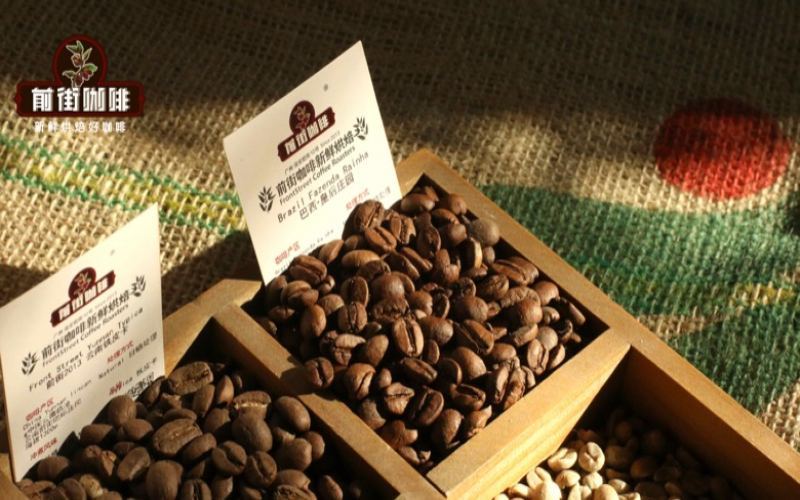
Brewing Brazilian and Colombian coffee with a moka pot: how to pair the nutty sweetness
Brazil and Colombia both work well in a moka pot for expressing nutty and sweet notes, but the flavor focus of the two is not the same. Brazil commonly shows hazelnut, peanut brittle, caramel, and cocoa, with a rounded mouthfeel, making it suitable as a substantial base; Colombia often carries brown sugar, caramel, ripe fruit, and a soft citrus note, which can give the brewed coffee more [more…]

Global Major Coffee Varieties Flavor Guide: An Analysis of Regional Performance from Geisha to Catuai
The same coffee variety, when grown in different countries and regions, often develops a drastically different flavor profile in the cup. This article sorts through the specific flavor expressions of major varieties such as Geisha, Typica, Bourbon, Maragogipe, Kent, Pacas, Pacamara, SL28, SL34, Mundo Novo, and Catuai in places including Panama, Costa Rica, Colombia, Guatemala, Peru, Honduras, Mexico, Brazil, Nicaragua, Tanzania, India, El Salvador, and Kenya. Whether you want to understand Geisha's floral and citrus lineage or clarify Bourbon's chocolate-caramel undertones, this correspondence between varieties and regions can provide an intuitive reference. Front Street Coffee also suggests that in actual brewing, you should make a comprehensive judgment based on roast level and processing method to more accurately reproduce these flavor descriptions. [more…]
Guatemala Huehuetenango El Progreso Estate Coffee Beans: A Comprehensive Guide to Processing Methods and Flavor Characteristics
Located in the Huehuetenango region of Guatemala, Finca Providencia has been run by the Palacios family since 1954 and has now passed down through three generations. The estate sits at an altitude of between 1,550 and 1,900 meters and mainly cultivates varieties such as Caturra, Bourbon, Mundo Nuevo, and Catuai. The coffee is washed-processed and sun-dried on African raised beds, yielding a cup with layered notes of hazelnut, apple, raisin, and chocolate. This article will give you an in-depth look at the estate's geographical environment, cultivation challenges, harvest and processing details, as well as Front Street Coffee's professional recommendation of this bean. [more…]
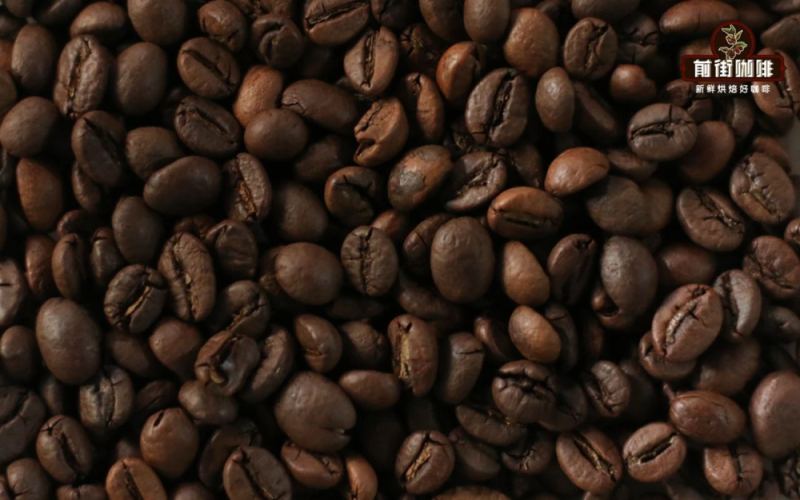
Robusta Coffee Pour-Over Experience: Flavor and Mouthfeel, and an Analysis of the Causes of Acidity and Bitterness
Robusta is often regarded as an ingredient for espresso blends and instant coffee, and is quite rarely used for pour-over. In this article, Front Street Coffee conducts a pour-over experiment using deep-roasted Robusta from Vietnam, documenting the flavor changes from high temperature to cooling: at the high-temperature stage, it presents hazelnut, caramel, and grain notes, with a full body and tolerable bitterness; after the temperature drops, rubber, earthy mustiness, and a bitter finish emerge, with noticeably insufficient cleanliness. The article also explains the differences in appearance between Robusta and Arabica, their commercial value and price advantages, and explains that its higher bitterness is due to higher caffeine and chlorogenic acid content, as well as flavor defects caused by low-altitude cultivation. Finally, it mentions Robusta grown in a specialty manner, which has a clean flavor but is scarce in yield and rarely seen. [more…]
Front Street Coffee Panama Boquete Hacienda La Esmeralda Butterfly: Geisha Variety Washed Processing Flavor and Brewing Analysis
In the Boquete specialty region of Panama, the Butterfly coffee beans produced by La Berlina Estate of Hacienda La Esmeralda, through the Geisha variety and washed processing, present a classic and captivating layering of flavors. This bean, introduced by Front Street Coffee, is grown at an altitude of 1,500 to 1,700 meters, and in cupping it displays rich notes of apple, maple syrup, lemon citrus, coffee blossom, roasted hazelnut, and dark chocolate. The dry aroma carries jasmine, citrus, tea, and honey, while the wet aroma blends berries, floral notes, oily fragrance, and vanilla. When sipped, the juicy sweetness and delicate acidity are delightful, with excellent cleanliness, interweaving bergamot, honey, citrus, spice, floral notes, berries, tea, and cherry, and a delicate, lingering aftertaste. Below, the characteristics of this Butterfly coffee bean will be fully analyzed from aspects such as variety, processing method, origin conditions, and brewing suggestions. [more…]
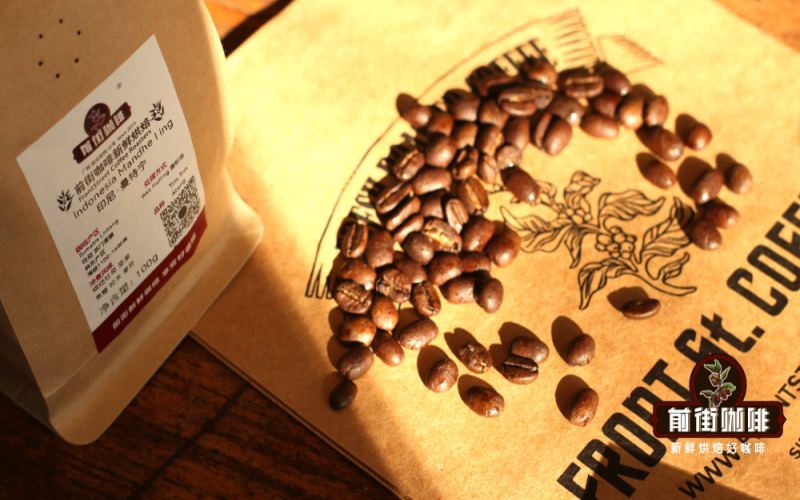
Spicy Mandheling Coffee: A Flavor Exploration from Roast Level to Espresso Blending
In the dazzling world of coffee, beans with spicy notes are truly rare, and Front Street Mandheling stands out as the most iconic example. This coffee from Sumatra, Indonesia, showcases a unique flavor profile woven with herbal, pine, and clove notes, thanks to the region's special climate and wet-hulling process. As the roast level advances to medium-dark, the sweetness of caramel and the aromas of dark chocolate, roasted hazelnut, and maple syrup are fully awakened; acidity is suppressed while body becomes more pronounced, making it easy to brew whether by pour-over, moka pot, or home espresso machine. Beyond single-origin offerings, Mandheling also shines in espresso: Front Street's Classic Blend ingeniously combines Brazilian beans with Mandheling, boasting creamy nuttiness and herbal sandalwood notes, plus the rich crema contributed by Robusta, making it a favored espresso choice for both beginners and seasoned enthusiasts. [more…]
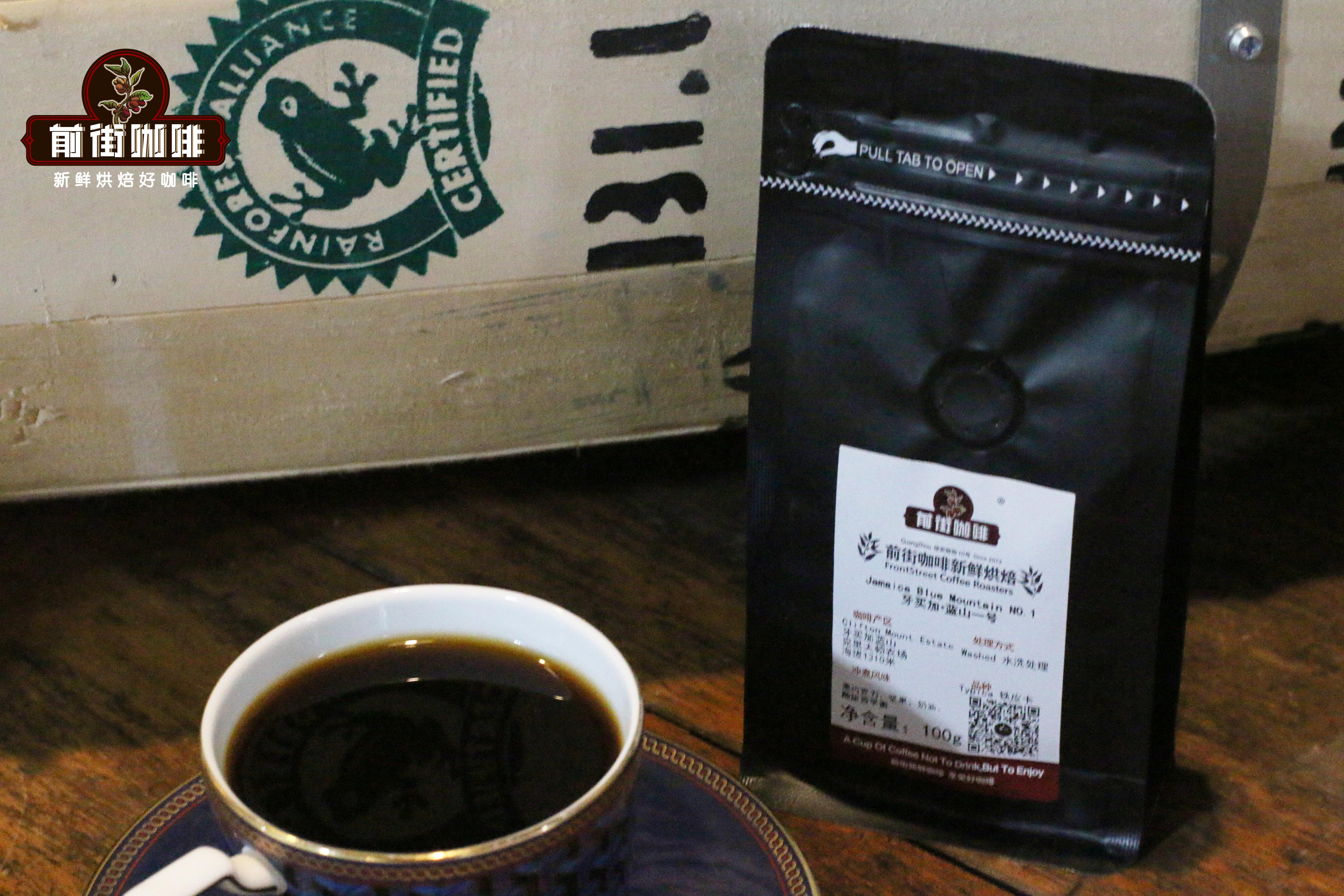
Jamaica Blue Mountain Coffee Pour-Over Guide: A Complete Analysis from Bean Identification to Extraction Parameters
Blue Mountain coffee, a legend in the coffee world, is renowned for its balanced flavor profile of mellowness, aroma, sweetness, acidity, and bitterness. However, genuinely high-quality coffee beans from Jamaica's Blue Mountains are scarce, and the market is flooded with various counterfeit products. Drawing on the practical experience of Front Street Coffee, this article systematically explains how to identify authentic Blue Mountain coffee, the characteristics of green beans, roasting flavors, and key parameters in pour-over brewing such as grind size, water temperature, dripper selection, and pouring technique. Whether you are new to Blue Mountain or looking to refine your brewing skills, this complete café-level brewing approach will help you better showcase the chocolate, hazelnut, and creamy sweetness of Blue Mountain No. 1. [more…]
Bolivia Waliki Estate Java Coffee Beans: The Rodriguez Family's Cultivation Story and Roast Flavor Analysis
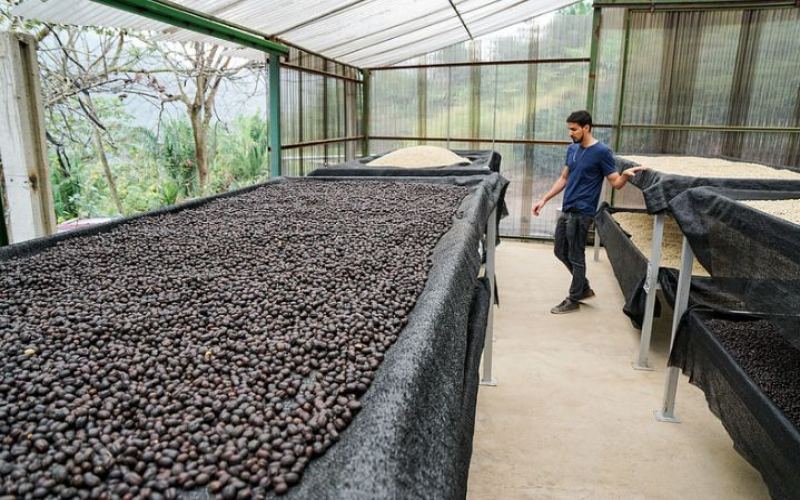
Although Bolivia is landlocked and produces scarce amounts of coffee, its superior natural conditions give rise to distinctive specialty coffee. The Rodríguez family has cultivated deep expertise over many years through Agricafe, growing special varieties such as Geisha and Java at the Huari Estate in the Caranavi region. Among these, the Java variety originated in Ethiopia and made its way to Bolivia via Indonesia and Central America, and is known for its elongated bean shape and outstanding flavor. Front Street Coffee is pleased to present this natural-process lot of Java beans from the Huari Estate, roasted on a Yangjia 800N semi-direct-fire roaster, with a cupping profile of hazelnut, cream, citrus, and fermented wine aromas. This article provides a comprehensive analysis of its origin background, variety lineage, processing method, and brewing recommendations. [more…]
Colombia Huila Washed Coffee Beans: Low-Acid Berry Sweetness and Dark Chocolate Flavors in a Medium-Dark Roast Specialty Pour-Over
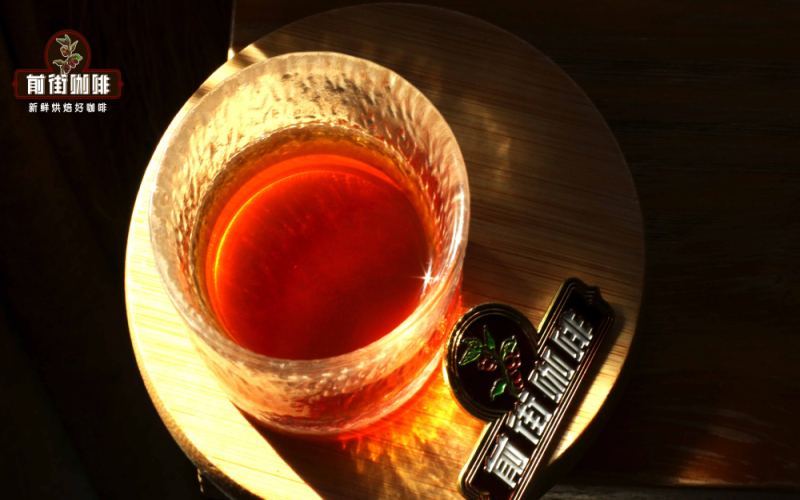
The Huila, Cauca, and Nariño regions in southern Colombia, with their high altitudes, special terrain, and microclimates, produce coffees with outstanding acidity and distinctive flavors that are extremely popular among enthusiasts worldwide. Among them, Huila, as one of the main cultivation areas, accounts for 12% of Colombia's total coffee production. Although different estates and processing methods bring subtle variations, the nutty, chocolate, and caramel undertones run through almost consistently. If you want to drink Colombian coffee, Front Street Coffee's washed Huila is the top choice—with prominent chocolate and roasted hazelnut aromas, rich layers in pour-over, and the ability to showcase crema in a moka pot or espresso machine. If you prefer complex nutty notes like almonds, blanched almonds, and walnuts, Front Street Coffee's specialty blend is also worth trying. [more…]
Brazilian Specialty Coffee Brand Recommendation: Santa Isabel Estate Yellow Bourbon Pulped Natural Flavor Analysis
Brazil, as the world's largest coffee producer, has also drawn considerable attention in recent years for the quality of its specialty coffee. This article focuses on the Yellow Bourbon variety produced at Fazenda Santa Isabel in Minas Gerais, offering a look at the story behind this award-winning coffee. From the estate's unique microclimate to the meticulous hand-picking process, and then to the rarity of peaberry grading, we break down its flavor code one by one. This semi-washed Yellow Bourbon brought to you by Front Street Coffee displays the classic notes of honey, hazelnut, and chocolate, showcasing the solid strength of Brazilian specialty coffee. If you are looking for a Brazilian coffee brand worth trying, this article is a good place to start. [more…]
An In-Depth Look at the Flavor Profile of Brazil's Queen's Farm Yellow Bourbon Pulped Natural Coffee and Its COE Award Journey
The Queen Estate in Brazil's Mogiana region, as a frequent winner at the COE Cup of Excellence, cultivates Yellow Bourbon varieties using the pulped natural process, revealing a complex flavor profile interweaving orange peel spice, roasted hazelnut and cinnamon, citric acidity, and sugarcane sweetness. This article provides a detailed record of the estate's glorious track record in COE competitions from 2000 to 2014, and introduces the Carvalho Dias family's management legacy since 1890. Front Street Coffee's Brazil selection features this 100% Yellow Bourbon pulped natural green bean, taking you to experience the Queen Estate's silky, delicate mouthfeel and lingering finish. [more…]
Analysis of the Indonesia Sumatra Golden Mandheling Region, Wet-Hulled Flavor, and Front Street Coffee Pour-Over Guide
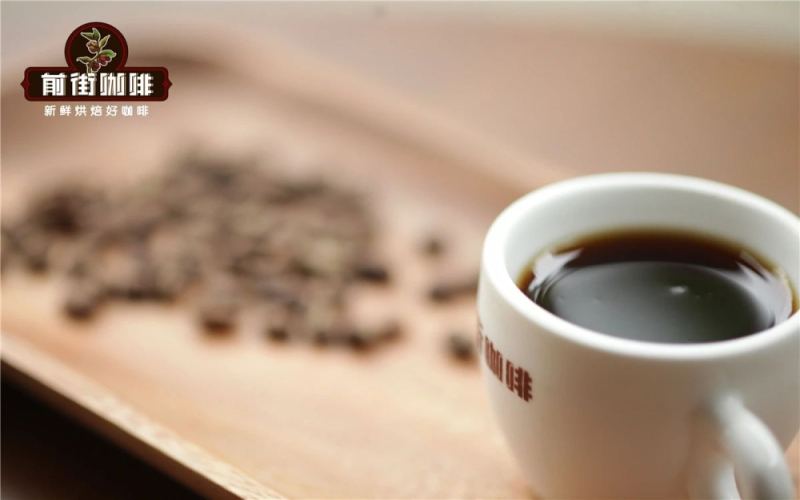
Golden Mandheling is one of the most representative specialty coffees from Sumatra, Indonesia. Front Street Coffee's PWN Golden Mandheling is known for its dark chocolate, hazelnut, caramel, and herbal spice flavors, with high cleanliness and a clear sweetness. This article reviews the growing regions of Mandheling, the differences between the two major producing areas of Aceh and Lintong, PWN's hand-sorting standards, and how the wet-hulling process shapes its woody spice and full-bodied bitter notes. It also draws on Front Street Coffee's in-store experience to provide a complete pour-over recipe using a KONO dripper, 87°C water, and a three-stage pour, helping coffee lovers brew a round, concentrated Golden Mandheling at home. [more…]
Nicaragua Finca La Providencia Caramel-Flavored Coffee Beans: A Full Analysis of the Growing Region, Processing Methods, and Flavor Characteristics
Nicaraguan coffee is known for its deep chocolate, caramel sweetness, and almond notes, with a bright yet soft acidity that is quite different from the typical high-toned fruity acidity of Central America. This article focuses on the COE award-winning bean from Finca El Cielo, outlining the unique volcanic soil and shade-growing conditions of the Dipilto region, analyzing the rich hazelnut-chocolate sweetness, tea-like body, grapefruit, and creamy flavors brought by the washed-then-natural processing method, and explaining its SHG grade, hand-picking, and suitability for medium roasting. At the end, it includes Front Street Coffee's reasons for recommending this bean, making it suitable for coffee lovers who dislike strong acidity and seek lasting sweetness and layered complexity. [more…]
What tier does Jamaican Blue Mountain coffee actually belong to? A comprehensive analysis from origin grading to Front Street Coffee's pour-over taste
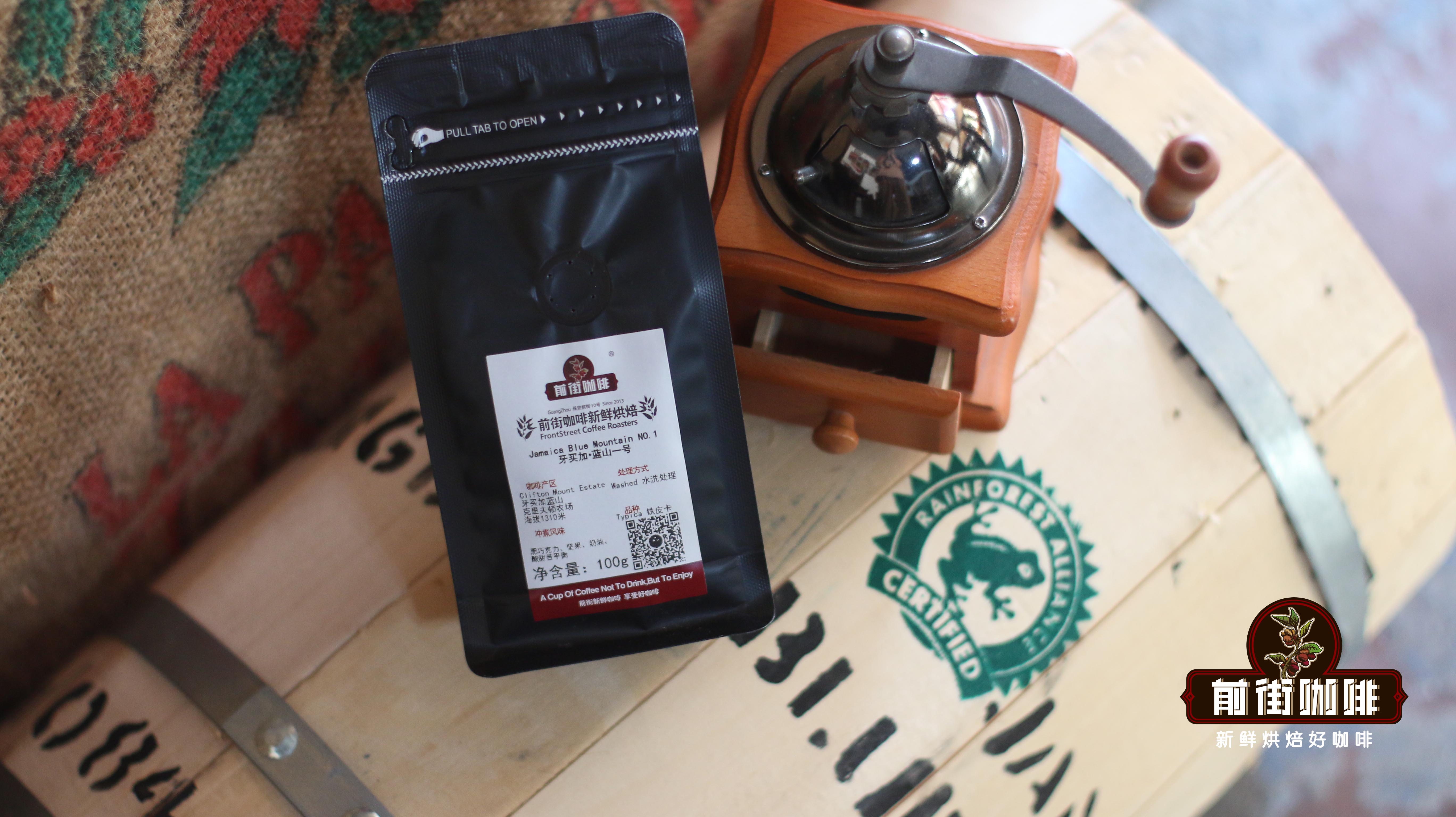
Blue Mountain coffee is a name almost everyone in the coffee world knows, but the market is flooded with a mix of genuine and fake products, and many products labeled "Blue Mountain flavor" or "Blue Mountain blend" actually have nothing to do with authentic Jamaican Blue Mountain. Why is real Blue Mountain coffee so expensive? What makes it regarded as a top-tier existence among specialty coffees? Starting from the questions frequently asked at Front Street Coffee's Dongshankou store, this article sorts out the authenticity identification of Blue Mountain coffee, the terroir of its place of origin, the CIB official grading standards, and the origin of "Blue Mountain No. 1." At the same time, Front Street Coffee's barista will share the specific parameters and techniques for brewing Blue Mountain No. 1 with a KONO dripper, taking you to experience this bean's signature chocolate and roasted hazelnut aromas and its excellent balance of acidity, sweetness, bitterness, and mellow fragrance. [more…]
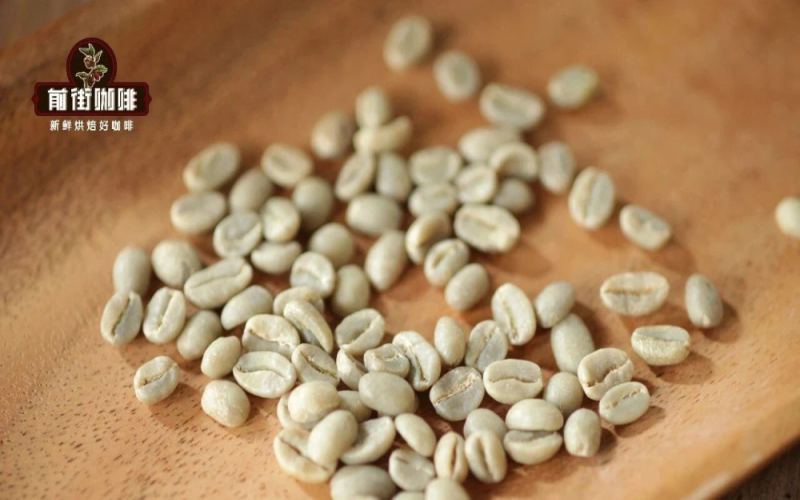
SOE Coffee: Light Roast or Dark Roast? The Roasting Logic Behind Espresso Made from Single-Origin Beans and Four Front Street Recommendations
The same single-origin bean can taste completely different as a pour-over versus an SOE. The roast level plays a key role here—a light roast preserves the floral and fruity acidity, but under pressurized extraction it can turn sharp and prickly on the tongue; a dark roast brings a rich, mellow caramel note, but it easily masks the character of the origin. So what roast level should SOE actually use? This article starts from roast chemistry, analyzing how the Maillard reaction and caramelization shape coffee flavor, sorting out the flavor directions corresponding to light, medium, and dark roast levels, and then answers the roasting-selection challenge for making SOE from single-origin beans, and offers four Front Street Coffee beans suitable for SOE, covering four styles: tropical fruit, hazelnut and sugarcane, fermented fruit, and chocolate creamy peanut. [more…]
Flavor Analysis of Indonesia Sumatra Coffee Producing Regions: Mandheling Wet-Hulling Characteristics and Front Street Golden Mandheling Brewing Guide
The Indonesian island of Sumatra is world-famous for its unique wet-hulling process and the full-bodied, bittersweet Mandheling coffee. This article takes you deep into Sumatra's two core producing regions—Lintong and Aceh—exploring their geographical environments and cultivation traditions, analyzing PWN's stringent selection standards for Golden Mandheling, and breaking down in detail how the wet-hulling method gives Indonesian coffee its signature woody, spicy, and herbal notes. At the same time, Front Street Coffee will share the complete parameters and three-stage pouring technique for brewing Golden Mandheling with a KONO dripper, helping you consistently bring out the rich, full-bodied flavors of dark chocolate, caramel, and hazelnut at home. [more…]
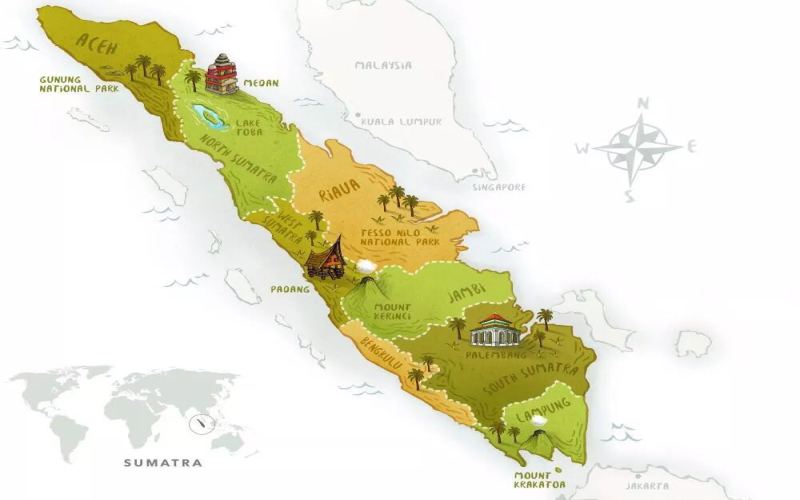
A Comprehensive Analysis of Indonesian Mandheling Coffee: Sumatra Region Varieties, Wet-Hulling Processing, and Flavor Grinding Characteristics
Mandheling is Indonesia's most representative coffee, mainly produced on the island of Sumatra near the equator, where the tropical rainforest climate provides high temperatures and abundant rain for coffee cultivation. However, Indonesia's high-altitude areas are limited, restricting the space for Arabica cultivation—only about 25% of the country's coffee is Arabica, while the rest is mostly Robusta. This article covers Mandheling's producing regions, varieties, processing methods, flavor, and mouthfeel, with a focus on the characteristics of Front Street Mandheling, Front Street Lintong Mandheling, and Front Street PWN Golden Mandheling, including the wet-hulled process, the roasted bread, hazelnut, caramel, and unsweetened chocolate flavors brought by medium-dark roasting, as well as specifications such as Golden Mandheling G1 grade, screen size 18 and above, and fewer than 3 defective beans—a useful reference for readers who enjoy a rich, non-acidic coffee. [more…]
Peru Andes Terra Nera Palm Civet Coffee: Origin, Production, and Harrods Release Details of the World's Most Expensive Coffee Beans
Terra Nera coffee beans are produced in the Quechua region in the southeastern Andes of Peru. Their value is greatly enhanced by the involvement of the palm civet (Uchunari) in processing, and they are recognized as one of the most expensive and rarest coffees in the world. Its annual output is affected by natural conditions and the state of the palm civets, and has sharply dropped from 70 kilograms to about 45 kilograms. It is divided into six grades, with the top Grade 0 being entirely hand-selected. These beans are sold only in limited quantities at Harrods in London, and must be roasted to order after reservation. Grade 0 even comes with English sterling silver decoration and a 24K gold-plated bag, with the name engraved by a silversmith. In terms of flavor, it is 100% Arabica, with notes of bitter cocoa, hazelnut, and dried leather. The mouthfeel shifts from light to buttery and silky, with a rich, mellow finish. Front Street Coffee will also continue to follow developments involving this kind of rare bean. [more…]